NEWS March 13, 2026
Four risk conversations that matter most for business owners
Why clarity, structure and education underpin effective risk advice
Spend enough time with business owners and you start to notice a pattern.
On paper, many look well insured. Policies are in place. Sums insured feel substantial. Structures appear logical.
But insurance at a moment in time is not the same as insurance that holds up over decades. It’s easy to implement cover. It’s harder to ensure the structure still makes sense five years from now when a partner exits, a claim is triggered, or a spouse asks, “What was this actually for?”
Businesses evolve. Equity changes hands. Debt is refinanced. Family dynamics shift. And the cost of getting it wrong is high.
When structures come under pressure, it is rarely the product that fails. More often, it is unclear income definitions, misunderstood ownership, or undocumented intent.
That complexity is inherent. Business owners operate across overlapping personal and commercial spheres, with income flowing through various entities and assets held across different structures.
The adviser’s job is to map those connections so the structure still makes sense when circumstances change.
It demands more than product selection. It demands better questions.
Here are four conversations that can materially change outcomes.
“What actually happens to your income if you can’t work?”
When a business owner says they earn $400,000, what does that actually mean? Salary? Dividends? Trust distributions? Drawings?
In many privately held businesses, income is fluid and predictable while the owner is present, but far less so if they are absent.
Many equate income with what lands in their account. However, if they are unable to work, the engine that generates that income can falter. Revenue may dip, relationships may erode, and fixed costs and debt remain firmly in place.
Short-term confidence can mask long-term fragility.
So, the real question becomes: if you were out for six months, what changes? And what if you never returned?
That discussion opens broader considerations:
- Personal income protection
- Business expense cover
- Key person exposure
- Debt servicing risk
- Cash buffers versus insured risk
It often leads to a layered solution or a deliberate decision to retain part of the risk.
Importantly, it clarifies where true dependency sits. Mapping income properly reduces one of the most common pressure points at claim time: disagreement about what was being protected and how the numbers were derived.
“Who owns what and why?”
Ownership is where otherwise solid structures can unravel.
On paper, things may look simple. In reality, there may be cross-ownership, trusts, inter-entity loans, or minority shareholders with different objectives.
Before insurance is discussed, commercial intent must be clear.
If one owner dies or becomes disabled, what is meant to happen?
Does the remaining owner buy the equity?
Does the family retain it?
Is there an agreed valuation method?
Succession agreements should come first. Insurance should follow.
When that sequence is respected, insurance acts as a funding mechanism. It provides liquidity to execute an agreed outcome. It does not determine it.
When the sequence is reversed, expectations can diverge. At claim time, a surviving shareholder may assume they are entitled to buy the equity, while the family assumes they retain it. Without clearly documented intent, both positions can feel justified.
Clarifying “who owns what and why” forces those conversations early, while everyone is aligned.
Ownership is not just a legal detail; it is a commercial risk exposure.
“Is this policy personal, business or both?”
Many policies are triggered by the same event. Death. TPD. Trauma. But their purpose can differ.
A trauma policy might cover medical costs, stabilise a business, or protect family assets.
If that purpose is not clearly articulated, confusion becomes inevitable, particularly when multiple stakeholders are involved.
At claim time, spouses, co-owners, and adult children may have different interpretations of what the proceeds were meant to achieve.
Documenting intent is as important as implementing cover. Being explicit about why the policy exists, what outcome it supports, and who ultimately benefits reduces the risk of dispute.
“Which risks are we choosing not to insure and why?”
Not every risk should be transferred.
In some cases, retained earnings provide adequate protection; in others, the cost may outweigh the exposure, or operational depth may reduce reliance on a single individual. The key is that the decision is deliberate.
Informed self-insurance is valid. Accidental self-insurance – where exposure exists but has not been consciously assessed – is where problems arise.
Key person cover illustrates this well. In a relationship-driven advisory firm, where a significant proportion of revenue walks out the door with one individual, the exposure may be substantial. In a more systemised business with diversified revenue and a strong second tier, the risk profile may look very different.
Walking clients through these trade-offs reframes the conversation as capital allocation rather than product selection. Often, the value lies not in the cover implemented, but in the risks consciously accepted.
None of these conversations are complicated. But they are easy to rush past. Done properly, they are not just advice conversations, they are education conversations.
Insurer philosophy can support advice conversations
At some point, every adviser must explain pricing movements or underwriting decisions. When that happens, the insurer’s philosophy becomes relevant.
Ownership models influence how profits are distributed, how capital is managed and how pricing pressure is absorbed. That does not make one structure inherently superior, but it does shape how decisions are made over time.
For some clients, mutuality resonates because member ownership aligns with their view of long-term protection. For others, a shareholder-owned insurer may be entirely appropriate.
Importantly, insurer philosophy should support the agreed strategy, not drive it. But when market conditions shift, understanding how an insurer approaches risk and pricing can make client conversations more credible and constructive.
Preventing future landmines
Advisers are not paid to predict the future. They are trusted to prepare clients for how circumstances might change.
The landmines in risk advice are rarely dramatic. They are small ambiguities, unclear ownership, untested income assumptions and undocumented intent that sit quietly until triggered.
Advisers who consistently avoid those outcomes are the ones who remove grey areas early.
When that groundwork is done properly, protection performs as intended. Quietly. And without dispute.
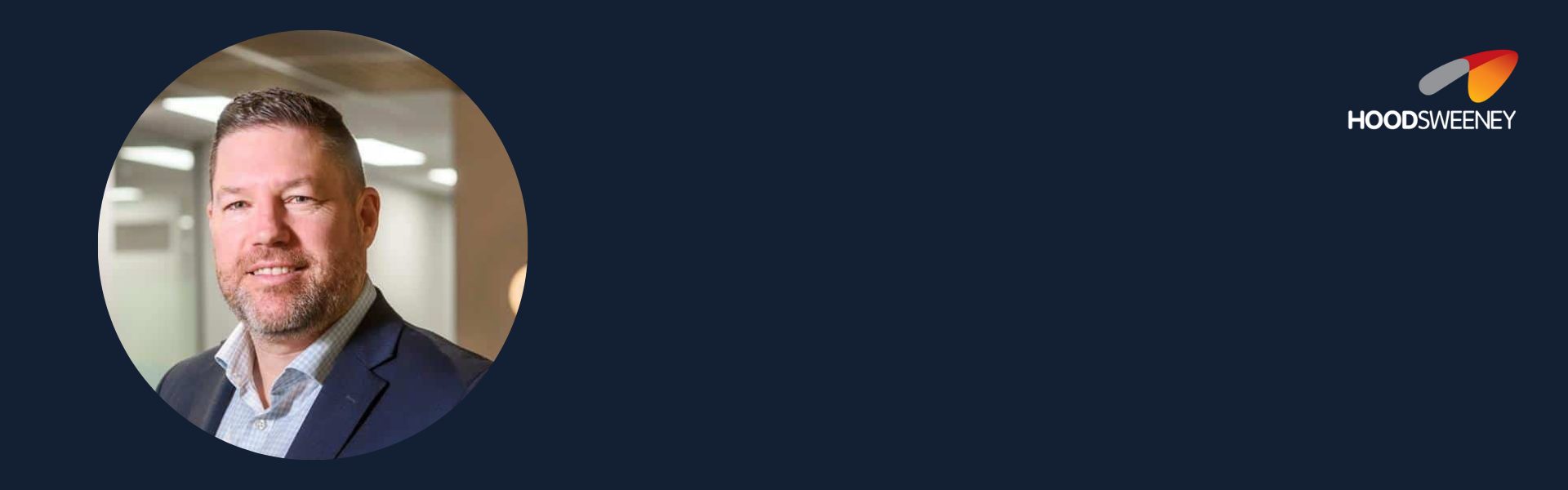
Mark Mullins, director, Hood Sweeney.
Hood Sweeney was a finalist in the 2026 PPS Mutual Risk Advice Practice of the Year Award.